Is It Safe to Visit Namibia Now?

Yes, for most travellers: the US State Department rates Namibia Level 2, Exercise Increased Caution, Canada says exercise a high degree of caution and the UK FCDO safety page carries no advice against travel. If you are asking is it safe to visit Namibia now, this page lays out what each government publishes, where the real risks sit on gravel roads, in Windhoek and in the desert, and how to cut them.
Quick answer
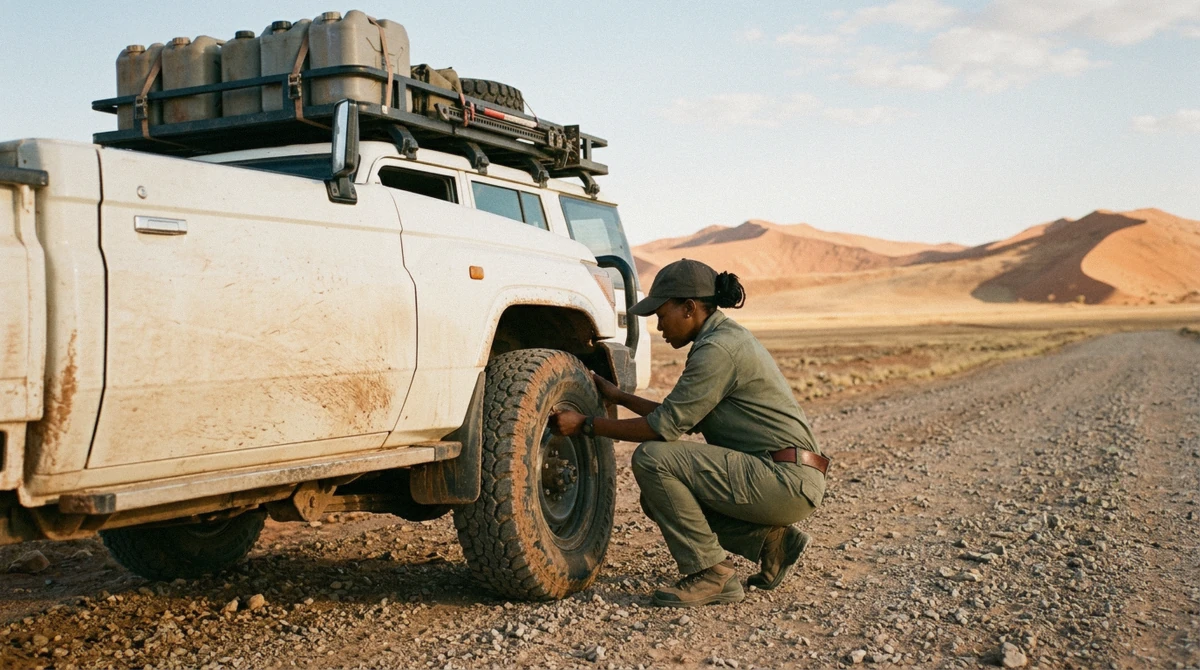
Yes, with normal precautions: the US State Department rates Namibia Level 2, Exercise Increased Caution, for crime and health, Canada says exercise a high degree of caution, and the UK FCDO carries no advice against travel. The real risks are gravel-road crashes, theft in Windhoek and distance from medical care. A guided day such as the Sossusvlei and Deadvlei full-day trip removes the driving risk, and the 2-day Sossusvlei tour splits it.
Key takeaways
- US advisory is Level 2 (Exercise Increased Caution) with crime and health indicators, Canada says exercise a high degree of caution, UK FCDO lists no advice against travel
- Roads are the main danger: accidents are common on gravel and fatal crashes are often linked to speed
- Crime is mostly opportunistic theft, with muggings reported in Windhoek and robberies at roadside rest stops
- Desert days carry heat risk: Sossusvlei reaches 40°C (104°F) in summer and the gate closes one hour after sunset
- Sandwich Harbour cannot be self-driven and runs only around low tide, see Sandwich Harbour tours
- Park fees are N$280 per foreign adult per day (about $16), see the cost breakdown
Guided Namib Desert Tours That Cut the Driving Risk
Three guided days with a local driver on the gravel roads, from a split two-day Sossusvlei trip to an Etosha day safari from Windhoek. Prices are per person in USD as listed by the operator, and each card shows that operator's own rating.
 from $705
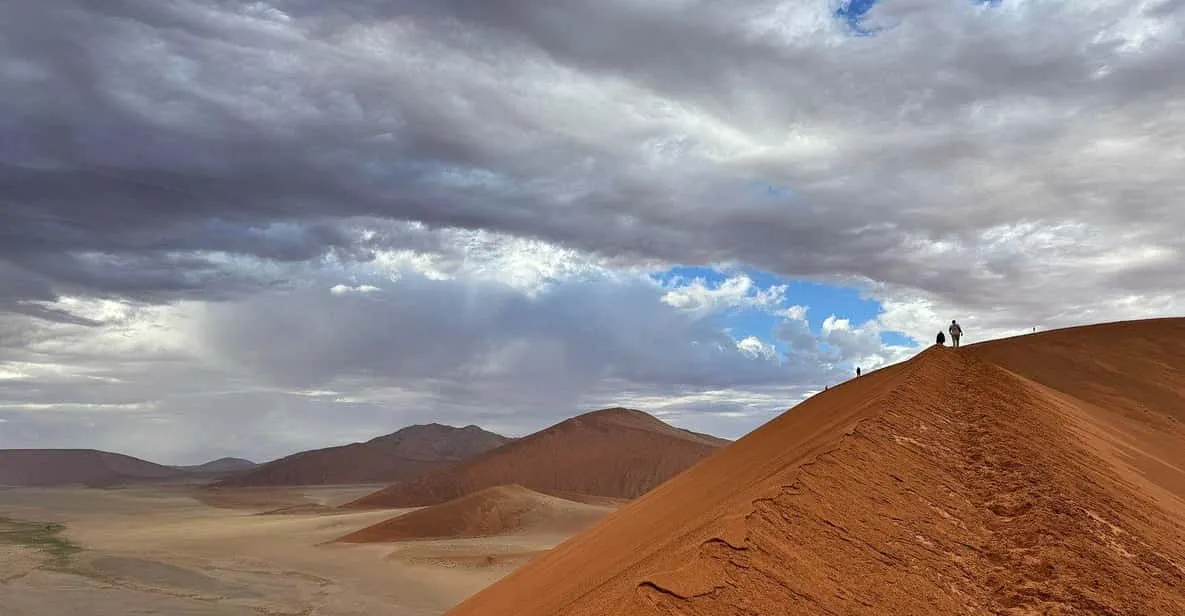
2-Day Sossusvlei and Sesriem Canyon Tour
Two days lets you climb a dune at sunrise instead of racing the heat: Sossusvlei, Sesriem Canyon and dinner under the desert sky.
Check Availability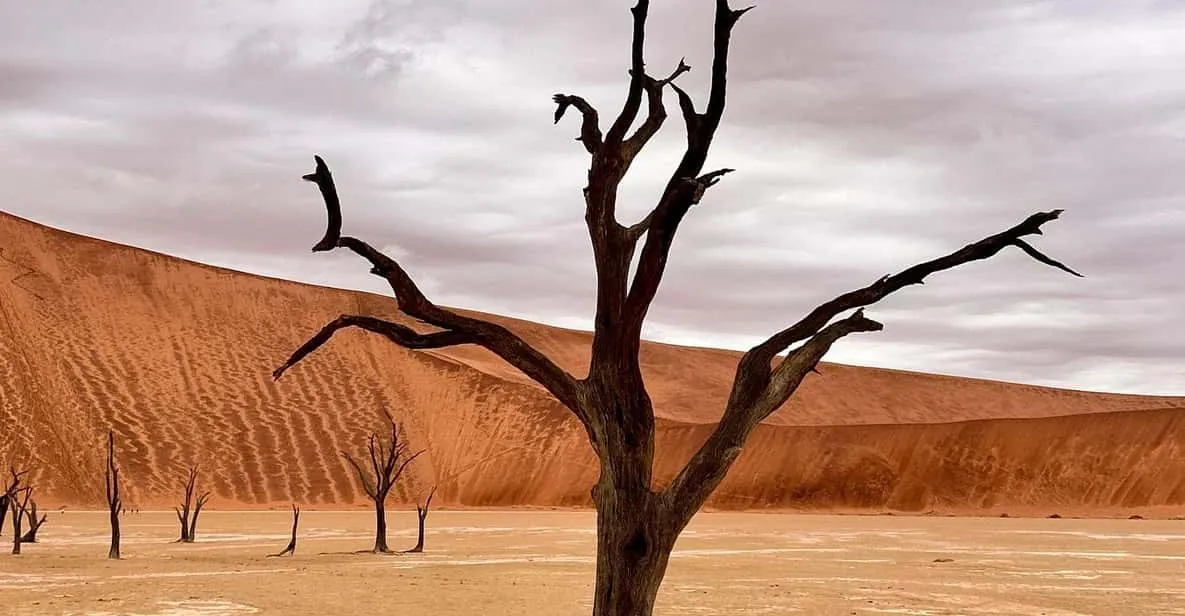 from $430
Sossusvlei and Deadvlei Full-Day Trip
Dune 45, Deadvlei and Sesriem Canyon in one long day. Early start, because the dunes are only comfortable before mid-morning.
Check Availability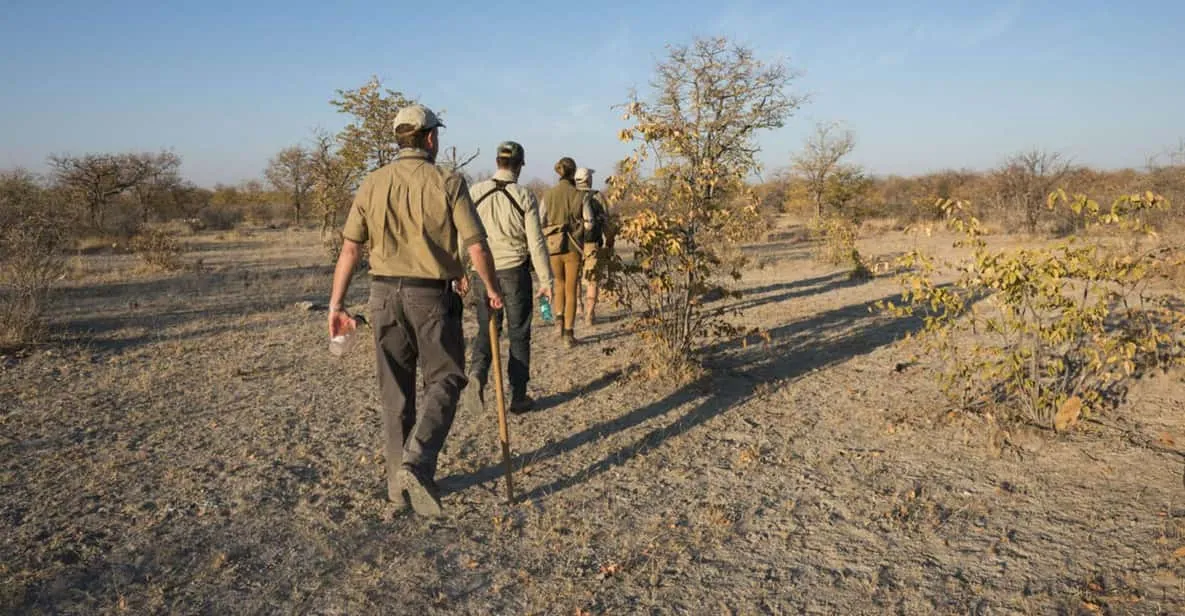 from $423
Etosha National Park Day Safari from Windhoek
The single-day option out of Windhoek for travellers who cannot give Etosha a full itinerary slot. Long drive, real game drive at the end of it.
Check AvailabilityIs It Safe to Visit Namibia Now?
Yes for most travellers, with care. The three governments that most visitors read all see Namibia as open to tourists and flag the same short list of risks. The US puts it at Level 2, the second step of its four-step scale.
Canada asks for a high degree of caution. The UK FCDO safety page carries no advice against travel. The table puts each government's published wording next to what it actually warns about.
| Government | Level or wording as published | What it flags |
|---|---|---|
| US State Department | Level 2: Exercise Increased Caution, issued May 15, 2026, crime and health indicators | Opportunistic theft and violent crime including armed robbery, limited medical facilities away from big cities |
| Government of Canada | Exercise a high degree of caution | Petty and violent crime especially in Windhoek, major road safety issues, malaria in some areas |
| UK FCDO | No advice against travel on the safety page | Muggers target tourists in Windhoek, accidents are common on gravel roads, wildlife on roads at night |
Source: US State Department, Namibia travel advisory, Government of Canada, Namibia travel advice, UK FCDO, Namibia safety and security.
Is It Safe for a US Citizen to Travel to Namibia?
Yes, with the Level 2 precautions. The US State Department rates Namibia Level 2, Exercise Increased Caution, with Crime and Health indicators. It describes mostly non-violent, opportunistic theft such as pickpocketing and break-ins from vehicles. It also warns of potentially violent crime, including home invasions and armed robbery, and says robberies most often happen at roadside rest stops in areas that tourists use. The health note is that many visitors travel far from emergency services and that facilities may lack basic medicines outside the larger cities.
Entry rules depend on your passport, so check the Namibian immigration pages for yours. Canada's advice lists a passport valid for at least six months after entry with three blank pages. Medical evacuation cover is the one purchase that changes the outcome if something goes wrong in a remote area, so buy it before you go.
Source: US State Department, Namibia travel advisory, Government of Canada, Namibia travel advice.
Is Namibia Good for Tourists?
Yes. Namibia is one of the least crowded countries on Earth, with about 3.7 people per km², and the places tourists visit are lodges, camps and guided routes where the risk profile is lower than in the capital. Tourism is one of the pillars of the economy, alongside mining and agriculture. Windhoek is where the advice concentrates: the UK says muggers often target tourists there, and Canada reports that violent crime occurs there in particular.
Once you leave town the picture changes. Safari circuits and remote lodge areas are quieter, and the main thing to plan around is distance. The longest stretches between fuel can be 150 km, and Canada says emergency and roadside assistance is unreliable or absent outside Windhoek. If you are still deciding whether the trip fits you, are Namib Desert tours worth it weighs the cost against the experience.
Source: Wikipedia, Namibia, Government of Canada, Namibia travel advice, UK FCDO, Namibia safety and security.
What Are the Real Risks in Namibia?
Five risks cover almost everything the advisories say. The table pairs each with the official wording and the precaution that works.
| Risk | What the governments say | What to do |
|---|---|---|
| Gravel roads | FCDO: accidents are common on gravel and dirt roads. Canada: fatal accidents are often linked to speed, and tourists are often involved in single-vehicle crashes | Slow down, avoid driving outside towns at night, or let a guide drive |
| Rainy-season roads | FCDO: from January to April keep under 80 km/h, carry two spare tyres and water. Canada: from November to March gravel is very slippery | Check the forecast, allow extra days, carry spares |
| Theft and muggings | FCDO: muggers target tourists in Windhoek, theft from vehicles is common at service stations. Canada: robberies have occurred at roadside rest stops | Keep valuables out of sight, lock doors, avoid hailing street taxis |
| Wildlife | FCDO: wildlife and livestock are serious road hazards at night. Canada: leave the vehicle only when a guide or warden says it is safe | Drive in daylight, stay in the vehicle in parks |
| Heat and remoteness | Canada: dehydration and heatstroke can both be fatal | Hire an experienced guide, carry water, know the signs |
Source: UK FCDO, Namibia safety and security, Government of Canada, Namibia travel advice.
Is Namibia Safe for Driving?
Driving is the biggest risk, so it deserves the plan. Most roads outside the towns are gravel with soft sand shoulders, and a rental car on gravel behaves very differently from one on tar. The route from Windhoek to Sesriem is about 350 km and takes 4 to 5 hours, mostly on gravel. There is no scheduled public bus to Sesriem, so the options are a rental car, a private shuttle or a tour. Solitaire, about an hour north of the Sesriem gate, has the last fuel, a bakery and a mechanic, and fuel stops can be 150 km apart.
A 4x4 rental costs N$1,430 to N$2,985 a day depending on the vehicle, and petrol 95 is about N$24.48 a litre. The last 6 km into Sossusvlei is deep sand, so a standard car stops at the 2x4 parking and a shuttle at about N$200 per person covers the rest. Whether to drive yourself at all is weighed in Sossusvlei self-drive vs guided tour, and the road itself is in how to get to Sossusvlei.
Source: UK FCDO, Namibia safety and security, Government of Canada, Namibia travel advice, Government Gazette No. 8877.
Is the Namib Desert Safe to Visit?
Yes, with three rules the advisories only hint at. First, respect the gate. The Sesriem desert access gate opens near sunrise and closes one hour after sunset, per Namibia Wildlife Resorts, so plan the drive back from the dunes before the light drops. Second, respect the heat. Sossusvlei reaches 40°C (104°F) on a summer afternoon, there is no shade at Deadvlei and the sand burns bare feet by mid-morning, so climb at dawn. Third, never take a vehicle off the marked track, because off-road driving is banned in the Namib-Naukluft Park.
Sandwich Harbour has its own rule. The 42 km from Walvis Bay is a beach drive that is passable for a few hours around low tide, low water shifts about 50 minutes later each day and the sand that looks firm can have seawater under it. Access is limited to licensed operators and a permit is required, so there is no self-drive version. That is why the Sandwich Harbour half-day 4x4 is the lower-risk way to do it.
Source: Namibia Wildlife Resorts, Sesriem gate times, Government of Canada, Namibia travel advice.
What Local Rules Catch Tourists Out?
A few rules matter more than visitors expect. Police checkpoints are common in towns and on main roads, and the FCDO advises carrying photo ID at all times. Drug penalties are severe. Police have detained people for photographing the President's official residence in Windhoek. Buying, selling or trading protected wildlife or its parts without a licence is illegal, and trafficking ivory or rhino horn can lead to prosecution. Canada adds that you should not stop on the road to offer help to others and should keep car doors locked in heavy traffic.
None of this is unusual for the region, but it explains why guided days are popular. A licensed operator handles permits, park fees and checkpoints, and the guide knows which roads are passable after rain.
Source: UK FCDO, Namibia safety and security, Government of Canada, Namibia travel advice.
What Health Precautions Does Namibia Need?
Malaria is the one with a calendar. UK TravelHealthPro rates the risk high all year in Kavango and Zambezi, high from December to April and low from May to November in the northern regions that include Etosha, and very low in the rest of the country, which covers the Namib and the coast. There is no risk of yellow fever in Namibia, but proof of vaccination is required if you arrive from, or have transited through, an airport in a country where it occurs. Medical care is limited away from the cities, and Canada notes that emergency services in many parks are limited.
Speak to a travel clinic at least a month before departure. The detail of which vaccines to consider is in what injections you need for Namibia, and travellers who are expecting should read is it safe to go to Namibia while pregnant.
Source: Government of Canada, Namibia travel advice, UK TravelHealthPro, Namibia.
How Do You Check the Current Advice Before You Go?
Read the live pages, not a summary. Advisories change, and the three official pages above are the source. Look at three things: the level or the wording at the top, the date of the last update, and the section on roads and crime. Canada's latest update added El Niño information to its natural disasters section, which is relevant because the rainy season is when gravel roads can flood for a day.
For trip timing, what to pack for the Namib and the best time to visit cover heat, cold nights and the green season. If you would rather not drive at all, compare the guided days on the Namib Desert tours page, which put a local driver on the gravel and usually include the park fees.
Source: US State Department, Namibia travel advisory, Government of Canada, Namibia travel advice, UK FCDO, Namibia safety and security.
Questions About Safety in Namibia
Is Namibia safe for tourists right now?
Yes for most travellers. The US rates it Level 2 (Exercise Increased Caution), Canada says exercise a high degree of caution and the UK FCDO safety page carries no advice against travel. Check the live pages before you go.
What is the US travel advisory level for Namibia?
Level 2, Exercise Increased Caution, with Crime and Health indicators, as published by the US State Department.
Is it safe to drive in Namibia?
With care. Gravel-road crashes are the main danger, fatal accidents are often linked to speed and emergency help is unreliable outside Windhoek. A guided Sossusvlei day puts an experienced driver at the wheel.
Is Windhoek safe?
It is where governments flag the most crime. The UK says muggers often target tourists there and Canada reports violent crime, so keep valuables out of sight and avoid street taxis.
Do I need malaria tablets for Namibia?
It depends on where and when. Etosha's regions are high risk from December to April and low from May to November, per UK TravelHealthPro, and the Namib is very low risk. Ask a travel clinic at least a month ahead, and see what injections you need.
Is it safe to travel to Etosha?
Yes, with normal park rules: stay in the vehicle outside the camps and drive in daylight. An Etosha game drive or the day safari from Windhoek removes the driving.
Is the Namib Desert dangerous?
Not on an organised day. Canada warns that dehydration and heatstroke can both be fatal, so go with a guide or follow the gate and heat rules.